
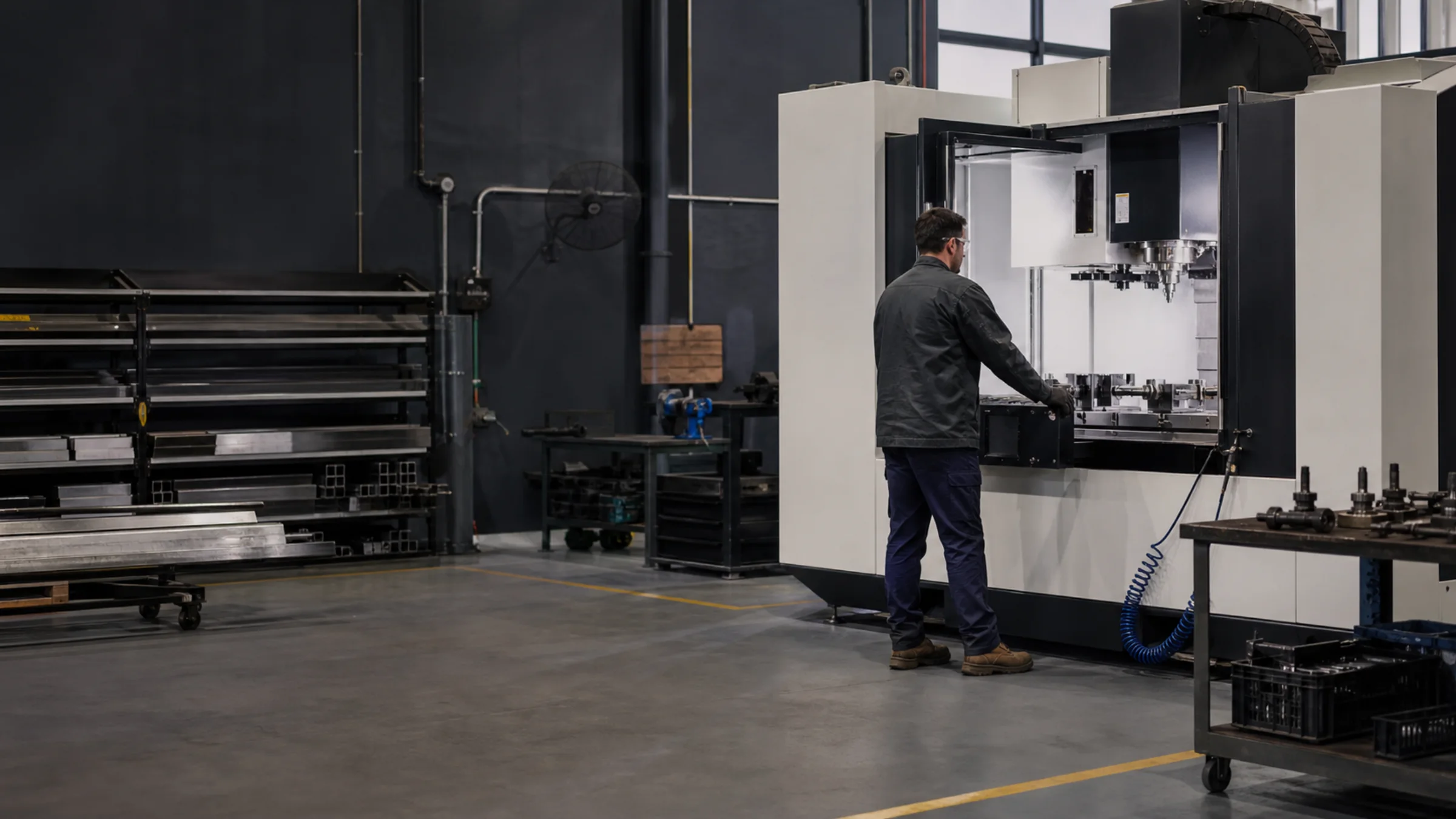

Equipment and machinery finance for business assets

Tell us the equipment, supplier, purchase amount and available business records. A broker can compare suitable machinery and equipment finance options.

  • 50+ lenders in the panel
  • Australia-wide
  • Enquiry first — no application lodged

Make the equipment purchase work beyond settlement

Machinery finance needs to fit how you will use, maintain and eventually replace the asset. These questions help uncover costs outside the headline repayment.

Is buying equipment with a loan the same as leasing it?

No. A loan can fund a purchase you own, while leased equipment belongs to the leasing company. Check who handles servicing, whether you can modify the machine and what happens if it is no longer needed. A lease may still require payments after you stop using the equipment. Confirm the tax position with your accountant.

How do I check second-hand machinery before paying?

Use the PPSR guidance for the particular asset: some equipment searches need the seller's identifying details rather than a vehicle-style serial-number search. Confirm whether the seller is an individual or company so the search uses the right information. Keep a separate technical inspection and service-history review; a security-interest search does not establish working condition.

What if repayments begin before the equipment earns income?

Ask when repayments start relative to delivery, installation and commissioning. Include that gap in your cash-flow forecast, alongside costs that the loan will not cover. For two loan offers, use the same financed amount and ownership structure, then compare total payments and any final balloon. Assess a lease separately because its ownership outcome differs.

What this finance may cover

  • 01Machinery and plant
  • 02Trade and workshop equipment
  • 03Medical or professional equipment
  • 04Technology and approved business assets

Prepare the equipment purchase, not just the loan amount

Equipment finance is easier to assess when the asset, supplier and complete project cost are clear. Start with these details before comparing repayments.

  1. Asset specification

    Record the make, model, age, condition and serial or identifying details available for the machinery, plant, tools or technology.

  2. Complete supplier quote

    Itemise the asset, attachments, freight, installation and other project costs so a broker can check what may be eligible.

  3. Productive purpose

    Explain whether the asset replaces existing equipment, adds capacity, reduces downtime or supports a new contract or service.

  4. Business records

    Summarise the entity, ABN and time trading, then identify which bank, BAS, financial or transaction records are currently available.

Look beyond the advertised rate

Compare repayments, fees, conditions and any final payment together. An estimate is not a lender quote or approval.

  • Total cost and timing of repayments

  • Deposit, security and guarantee requirements

  • Used-equipment, valuation or supplier conditions

  • Ownership, balloon and early-payout position

Documents you may need

Start without uploads. If you continue, a broker will explain which documents are relevant.

  1. 01Supplier quote
  2. 02ABN and business profile
  3. 03Financial or transaction evidence
  4. 04Asset specifications

About equipment finance

Can used equipment be financed?

Potentially. Age, condition, valuation, supplier and resale characteristics may affect lender policy.

What equipment details should I have before enquiring?

Start with the make, model, age, supplier, purchase price and how the asset will be used in the business. For specialised or imported equipment, specifications, delivery timing and installation costs may also be relevant.

Can delivery, installation or attachments be included?

Potentially, when they form an eligible and clearly itemised part of the equipment purchase. Treatment varies by lender, asset and supplier, so provide the complete quote before assuming every project cost can be financed.

Can a machinery finance broker compare rates?

A broker can compare suitable lender options, but the interest rate is only one part of the cost. Compare the rate, fees, deposit, repayment schedule, security requirements and any final payment together.

Can repayments match cash flow?

Available terms and schedules vary. Discuss your operating cycle with the broker before selecting a loan.

Speak with a broker

Tell us what you need to finance.

Start online or call RateSmart. A broker will confirm the request and discuss suitable options. Submitting an enquiry does not lodge a credit application.